Upload a photo and get a realistic result in seconds
Drag the slider: the original photo on the left, the AI result on the right
Pick a style and the AI does the rest — no complex settings, no waiting
Pick a style, pose or scene — the AI creates realistic content from your photo
You can undress any photo in a few clicks — and your first sign-in comes with gift tokens
Create an account in a couple of clicks with email or social login
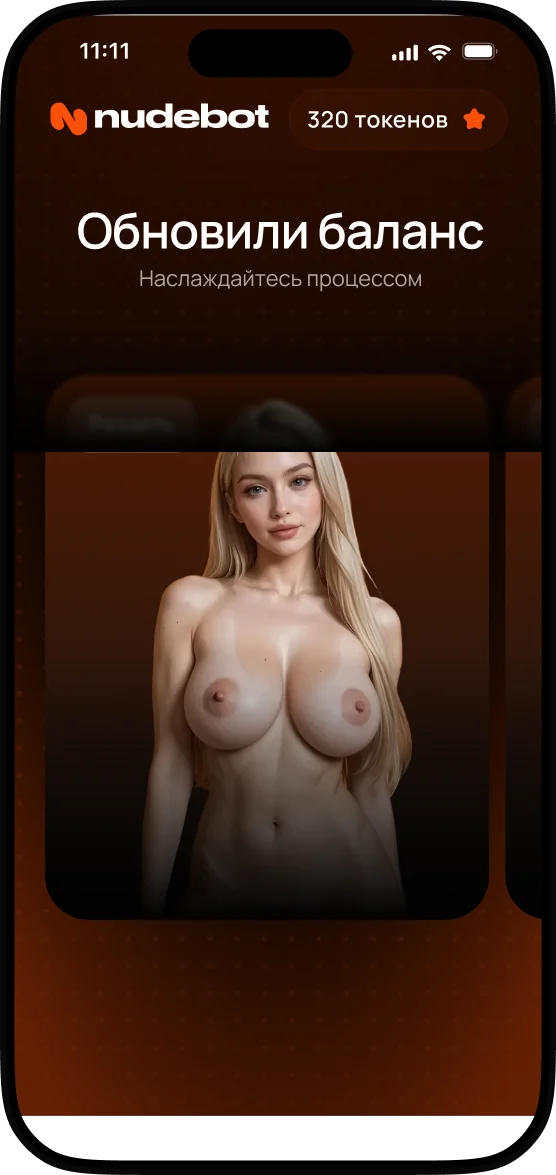
Sign in with Telegram or Google — gift tokens are credited right away as a discount on your first generation
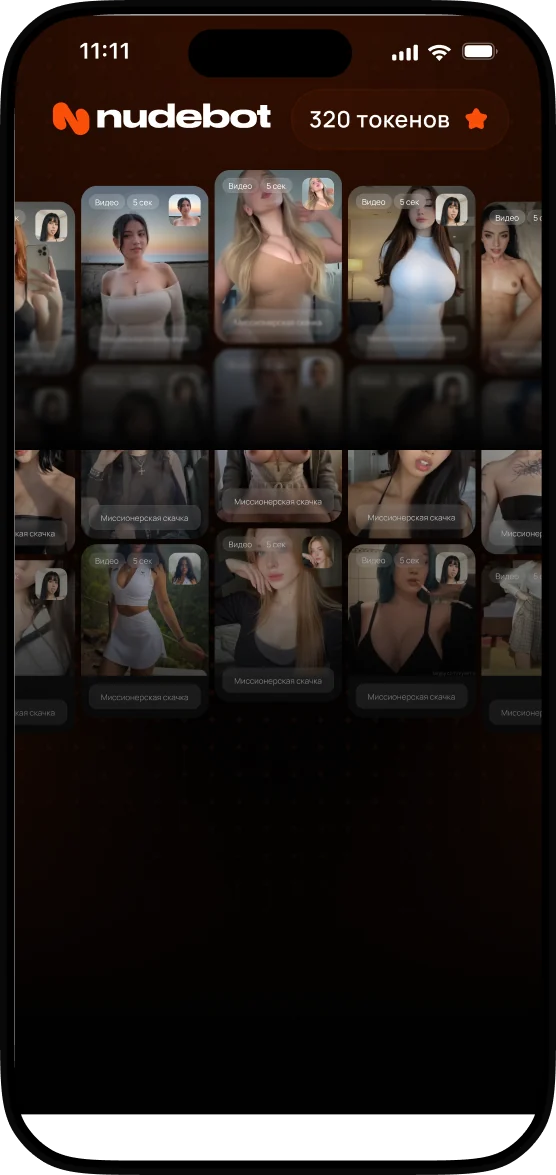
Upload a photo, pick a scene and get a ready photo or video
Everything you need to know about NudeBot
What kind of adult AI videos can I generate with this service?
How long does it typically take to generate an AI video?
Can I modify or replace elements within the generated video?
What are the ethical guidelines for using this AI video generator?
What are the main limitations of current AI video generation technology?
How to Generate Adult AI Videos for Consensual Creative Editing
If you have ever searched for how to генерировать порно видео or create adult-themed clips with artificial intelligence, you already know the landscape is complicated. Between shifting regulations, ethical concerns, and rapidly advancing technology, the gap between what AI can do and what you should do keeps widening. This guide walks you through a responsible, privacy-first approach to generating adult AI video content-strictly for consenting adults, strictly non-explicit, and strictly within the law.
What Is an Adult AI Video Generator?
An adult AI video generator is a platform designed for users aged 18 and older (для взрослых) that transforms approved reference photos into short, stylized video clips. It is not an explicit content engine. Think of it as a non-explicit creative editing tool: it allows you to animate a still image with camera motion, lighting shifts, and background adjustments-without producing graphic sexual material.
Here is what separates this type of service from other tools on the market:
- Synthetic vs. deepfake content. The platform creates original, synthetic output rather than superimposing one person's face onto another's body.
- Fictional characters vs. real likenesses. Working with AI-generated avatars or fully authorized reference photos keeps legal risk low. Using a real person's likeness without consent crosses into deepfake territory.
- Non-explicit vs. explicit. Output stays within suggestive or artistic boundaries; no graphic depiction of sexual activity is produced.
Every depicted person must be an adult-все участники должны быть старше 18 лет. Legislation in most jurisdictions regulates the production and distribution of materials involving minors as a criminal offense, and no responsible platform allows exceptions.
How AI Video Generation Works With Reference Photos
When you upload a reference photo, the AI video generator analyzes composition, lighting, subject appearance, and spatial depth. The system then creates new frames by inferring motion in latent space-a compressed mathematical representation of the image that reduces computational load. AI video generation requires significant computational power, which is why most platforms handle processing on dedicated GPU servers rather than locally.
Modern tools rely on diffusion models and transformers. Diffusion models progressively refine noise into coherent frames, while transformer-based attention layers help maintain temporal coherence across the sequence. A text prompt guides the process: you describe how the subject moves, how the camera pans or zooms, and what atmospheric effects you want. The model interprets these instructions and generates a preview clip.
Results may vary between generations because AI models may not accurately interpret user prompts on every attempt. Minor differences in phrasing can shift the output significantly-so what you describe matters.
AI video generation uses diffusion models and transformers to turn a single static image into motion. The quality of your prompt directly shapes the result.
Create Videos With AI From Photos
AI can generate video from a single static image, which means you only need one high-quality reference photo to start. Content creation also includes editing skills and technical equipment, but the AI handles much of the heavy lifting. Here is the typical workflow:
- Upload your image. Supported formats usually include JPEG, PNG, and sometimes RAW. Make sure the subject is clearly visible, well-lit, and consented.
- Enter a motion description. Specify what should move, how the scene should transition, and what mood you want-keeping language neutral and non-graphic.
- Preview the draft. The platform generates a short clip for review. Look for artifacts, identity consistency, and overall quality.
- Refine and export. Adjust your prompt, tweak parameters, and re-generate until satisfied. Then download the final clip.
AI video generation can save hours of manual editing that would otherwise go into frame-by-frame animation or compositing. Так что even a single reference image, paired with a thoughtful prompt, can yield a polished result.
What You Can Control During Video Generation
Для создания видео that matches your creative vision, most platforms expose several controllable parameters:
Parameter
What It Does
Example
Движение камеры (camera movement)
Controls pan, tilt, push-in, pull-back, and dolly effects
Slow push-in on subject
Lighting
Adjusts time of day, ambient vs. directional light, shadow depth
Golden-hour rim lighting
Background
Replaces, blurs, or stylizes the scene behind the subject
Abstract gradient backdrop
Style preservation
Maintains skin tone, outfit texture, hair detail across frames
Match original photo palette
Aspect ratio
Formats output for different platforms
9:16 for Instagram, 16:9 for widescreen
AI video tools support various aspect ratios for social media, so you can optimize output for Instagram, YouTube Shorts, or standard widescreen-without re-editing.
Features for Adult-Safe Video Creation
A responsible AI video platform for adults builds safety into every layer of the product:
- Non-explicit editing controls. Prompts requesting graphic sexual content are rejected. Output remains within artistic or suggestive boundaries.
- Realistic motion generation. AI video generation can create realistic scenes and animations, including subtle gestures, breathing motion, and natural head turns.
- Image-to-video conversion. Каждое изображение и видео starts from an authorized photo; the platform converts that изображение в animated output without requiring filming.
- Resolution options. Videos can be rendered in resolutions up to 4K. Renderforest, for example, supports video generation up to 4K resolution and has served over 40 million users since 2013.
Quality видео depends on the reference image, prompt specificity, and the model's current capabilities. Audio quality is often more important than visual quality in traditional video production, but for AI-generated clips-where audio is typically added in post-visual fidelity takes priority.
How You Can Use the Generator Responsibly
Here are the use cases where an AI video generator fits naturally and lawfully:
- Fictional adult characters. Create avatars or personas not based on real people. This is одна из the safest approaches.
- Authorized reference photos. If you use a real person's photo, you need documented, specific consent covering the exact usage and transformations.
- Marketing and advertising. AI video generation is used in marketing and advertising for product demos, fashion lookbooks, and promotional clips. AI-generated videos can enhance storytelling in media and entertainment when used ethically.
- Artistic projects. Portrait-style videos, experimental motion art, and editorial content all qualify-provided participants consent.
What to avoid:
- Impersonation of real people without explicit permission.
- Exploitative or discriminatory content. Ethical production must exclude exploitation and discrimination of participants.
- Coercive participation. Coercion and pressure during content creation can lead to serious ethical violations.
Commercial activity in the adult content industry requires compliance with legislative norms, including tax obligations. When creating video, it is important to consider the atmosphere and comfort of all participants. The approach to production must include respect for participants' consent at every stage.
Workplace safety in traditional production involves regular medical testing of performers, and while AI-generated content reduces physical involvement, the principle of participant welfare still applies. Participation in content creation can affect a person's career and personal life in the future-something every creator should consider before uploading a reference image.
Ethical debates continue regarding the influence of adult content on youth. Responsible platforms address this through strict age verification and content moderation.
Privacy and Consent for AI Video Editing
Privacy is not optional-it is the foundation of lawful AI video editing. Here is what that looks like in practice:
Documented permission. Participants must sign a legal agreement for filming and distribution of materials. Consent must be freely given, specific, informed, and explicit. Producers are obligated to maintain records of participants' documents to comply with legal requirements.
Metadata removal. Before uploading, strip sensitive metadata-EXIF data, GPS coordinates, device identifiers-from every photo. This reduces privacy exposure if files are ever compromised.
Secure handling. Producers are obligated to maintain confidentiality of performers' personal information. Platforms should encrypt source images, limit access, and allow users to delete uploaded content at any time. Confidentiality of production and privacy protection are inseparably linked to the concept of legal safety.
Non-consensual content is prohibited. Under the U.S. TAKE IT DOWN Act (enacted 2025), publishing AI-generated intimate imagery without consent is a federal crime. The EU AI Act will prohibit AI systems that generate intimate content of identifiable persons without consent, effective December 2026. Platforms must protect copyright and take measures against unauthorized distribution of content.
Limitations of AI Video Generation
Before you start, set realistic expectations:
- Facial inconsistencies. Identity drift is common. Eyes, teeth, and hairlines may distort across frames. Research benchmarks like the Face Consistency Benchmark (FCB) confirm that many current models struggle to maintain consistent appearance over longer clips.
- Motion artifacts. AI video generation can produce unrealistic or awkward animations-jitter, unnatural interpolation, flickering between frames. AI video tools often struggle with complex scenes and actions.
- Emotional depth. AI-generated videos may lack emotional depth and nuance. Subtle expressions, micro-gestures, and authentic emotion remain difficult for current models.
- Content moderation. Platforms enforce content policies that may reject certain prompts. Even non-explicit content can cross legal boundaries depending on jurisdiction.
- Quality variation. Качество видео depends on reference image resolution, lighting, background complexity, and prompt clarity.
In a study by Runway involving over 1,000 participants, accuracy in distinguishing AI video from real footage was only about 57.1%-meaning the output is convincing, but not flawless.
Tips for Better Prompts for Video Generation
Your prompt is the single most important input. Если вы want consistent, high-quality output, follow these guidelines:
- Describe one primary movement. Instead of "subject walks, turns, and waves," try "subject slowly turns head to the right." Simpler motion descriptions produce cleaner results.
- Specify camera direction. Use precise terms: "slow push-in," "static wide shot," "gentle pan left." Движения и camera behavior should be stated explicitly.
- Use neutral visual language. Avoid graphic or explicit terminology. Focus on composition, mood, and lighting cues. Keep the text prompt professional.
- Iterate. AI models improve with refinement. Adjust your prompt after each preview. Pick the best result, note what worked, and build on it.
- Control scene complexity. A single subject against a clean background generates more consistent output than a crowded scene with multiple characters.
Think of each prompt as a creative brief: the more precise you are, the closer the result matches your vision.
Часто задаваемые вопросы (Frequently Asked Questions) About the AI Video Generator
What Content Can You Create With the Service?
Вы можете create non-explicit adult content-artistic portraits, fashion videos, stylized motion clips, and promotional material. The platform supports fictional characters, consenting adult models, and avatar-based projects.
What is prohibited:
- Exploitative or non-consensual material
- Content depicting minors in any context
- Deepfake impersonation of real people without documented consent
Могу ли я use the tool for commercial projects? Yes, provided all depicted individuals are adults with verified consent and the content complies with local laws.
How Long Does Video Generation Take?
Typical processing times range from a few seconds for simple, short clips to several minutes for higher-resolution or complex scene requests. Factors that affect speed include:
- Output resolution (standard vs. 4K)
- Clip length and motion complexity
- Server queue load during peak demand
Over 40 million creators have used platforms like Renderforest since 2013, which means peak-hour queues are real. Plan accordingly-generate during off-peak hours for faster turnaround.
Can You Remove or Replace Elements?
Yes, with limitations. Most platforms let you:
- Swap or blur backgrounds
- Adjust lighting and color grading
- Modify camera angle or movement style
However, complete subject replacement or face-swapping requires separate consent documentation and may not be supported. Always review every generated frame before exporting. Artifacts can appear in individual frames even when the overall clip looks clean.
Getting Started With Responsible AI Video Creation
Ready to start? Here is your checklist:
- Upload an authorized photo. Make sure you have documented consent from every depicted adult.
- Write a neutral motion prompt. Describe camera movement, lighting, and mood-not explicit actions.
- Preview before downloading. Check for artifacts, identity consistency, and content compliance.
- Export and use responsibly. Direct your projects toward compliant creative work-marketing, art, storytelling.
В целом, the technology is powerful, accessible, and improving rapidly. AI video generation for adults is not about circumventing ethical boundaries-it is about using искусственный интеллект as a creative tool within them. Whether you are building content с помощью ИИ for a brand campaign, an art series, or a personal project, the principles remain the same: consent first, privacy always, and creativity on your terms.
Start with one photo, one prompt, and one commitment to doing it right.